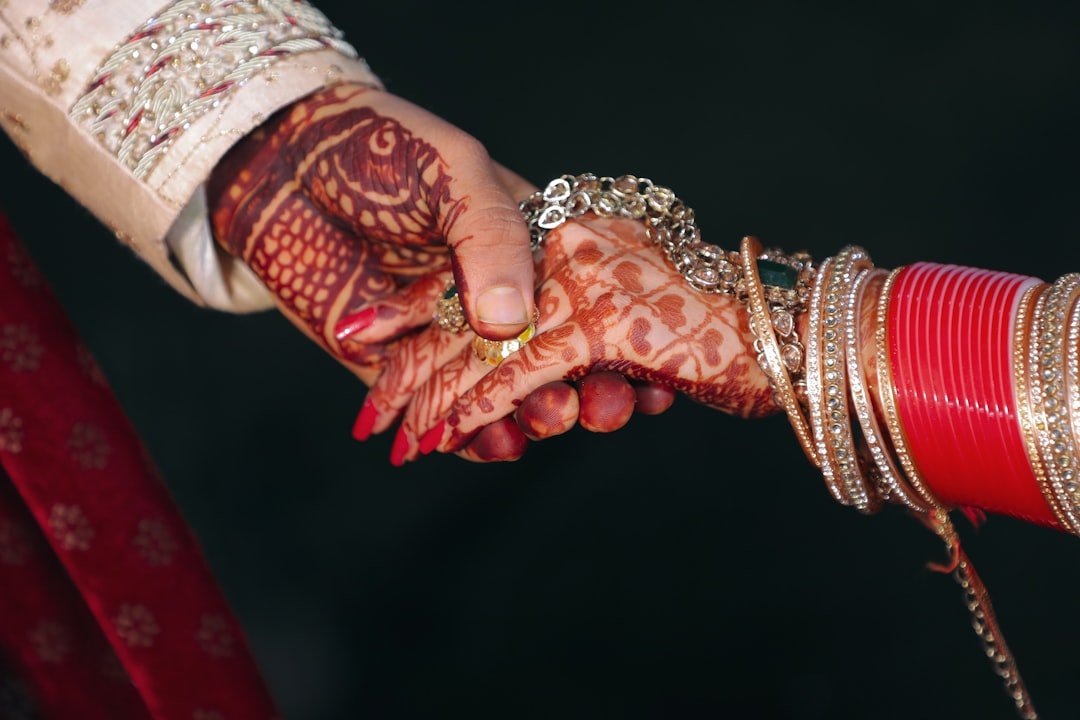
For most Indian families, a marriage biodata is incomplete without horoscope information. Even in families that describe themselves as modern or not very traditional, someone on the parents' side usually asks, kundli bhi bhejo (send the kundli too). Getting the kundli details in biodata right - accurate, well-formatted, and placed in the correct spot - saves everyone time and avoids awkward follow-up messages asking for missing birth details. This guide walks you through exactly what to include and how to present it.
Why Kundli Details Matter in a Biodata
In many communities, horoscope matching (gun milan or kundli matching) is still the first filter families use before moving forward with a match. Even if the family doesn't strictly believe in astrology, sharing basic birth details is considered a sign of transparency and respect for tradition. Leaving this section out completely can make a biodata look incomplete, especially when it is being shared with grandparents or relatives who will insist on it anyway.
That said, you don't need to turn your entire biodata into an astrology chart. A few accurate lines under a clearly labeled section are enough - the rest can be discussed separately if both families want a detailed kundli match by a pandit or astrologer.
Which Kundli Details to Include
Keep this section factual and specific. Here is what most well-made biodatas include when adding kundli details in biodata format:
- Date of Birth: Written clearly, e.g. 14 March 1997 (avoid ambiguous formats like 3/14/97 that can be misread).
- Time of Birth: As precise as possible, e.g. 6:42 AM. If the exact time isn't known, mention an approximate time and note it as approximate.
- Place of Birth: City and state, e.g. Nashik, Maharashtra - this is needed for accurate chart calculation.
- Rashi (Moon Sign): For example, Vrishabha (Taurus) or Simha (Leo).
- Nakshatra: The birth star, e.g. Rohini, Ashwini, Pushya.
- Gan: Dev, Manushya, or Rakshasa - often used in gun milan scoring.
- Gotra: Especially important in many Hindu communities to confirm the match doesn't fall within the same gotra.
- Manglik Status: Whether the person is Manglik, Anshik Manglik, or Non-Manglik.
You do not need to list every planetary position or full chart in the biodata itself. That level of detail is best shared as a separate PDF from an astrologer if the other family requests it after the initial match is shortlisted.
What If You Don't Have Exact Birth Time?
This is common, especially for people born at home in earlier decades or in smaller towns without well-documented hospital records. In such cases, simply write time not recorded or give the closest known estimate from family members, and mention that an exact chart can be prepared once confirmed. Most families understand this and won't hold it against you - honesty here matters more than having a suspiciously precise but possibly incorrect time.
Where and How to Place This Section in Your Biodata
Kundli information should have its own small, clearly labeled section - don't scatter it under Personal Details or mix it with your education and job information. A clean structure looks like this:
- Personal Details (name, age, height, complexion, religion, mother tongue)
- Horoscope / Kundli Details (date, time, place of birth, rashi, nakshatra, gan, manglik status, gotra)
- Family Details
- Education and Career
- Contact Details
Placing the kundli details in biodata right after personal details (and before family background) works well because it keeps all birth-related information together and is exactly where most readers instinctively look for it.
Formatting Tip
Use a simple two-column layout - label on the left, detail on the right - rather than long sentences. For example:
- Date of Birth: 22 July 1998
- Time of Birth: 4:15 PM
- Place of Birth: Indore, Madhya Pradesh
- Rashi: Simha
- Nakshatra: Purva Phalguni
- Manglik: No
This is much easier to scan than a paragraph, and it matches the format most families are used to seeing from traditional printed biodatas.
Common Mistakes to Avoid
Even well-meaning candidates make small errors in this section. Watch out for these:
- Guessing the birth time: If unsure, say so rather than inventing a time - it can cause mismatched chart readings later.
- Skipping Manglik status entirely: Many families ask this directly first; leaving it blank often triggers an immediate follow-up question, so it's better to just state it upfront.
- Overloading with jargon: Terms like Dasha, Nadi, or detailed planetary positions are best left to a full kundli document, not the biodata.
- Inconsistent details across documents: Make sure the date and place of birth match exactly what's on your official kundli or horoscope chart to avoid confusion during matching.
- Forgetting gotra: In communities where this matters, its absence can raise unnecessary questions.
Should Everyone Include Kundli Details?
Not every family follows astrology, and that's perfectly fine. If your family doesn't believe in horoscope matching, you can simply write Kundli matching not required or leave the section out altogether, mentioning it briefly under personal details if relevant. Some modern biodatas skip this section completely and focus purely on personality, values, and lifestyle. The key is to match the biodata to what your own family and prospective matches are likely to expect - there's no single right answer for everyone.
Getting this section right doesn't need to be complicated - a few accurate lines in the right place is all it takes. If you'd rather not fuss over formatting, OnlineBiodata.in offers ready-made templates where you can add your kundli details in biodata sections, along with the rest of your information, and download a neat, print-ready PDF for free in just a few minutes.